
-min.png)
-min_edited.jpg)
Nano-ceramic vs. Traditional Wax: The Truth Tesla and BMW Owners Need to Know

The paint on vehicles like Tesla and BMW stands out for its quality, high-end aesthetic, and distinctive shine. However, because it’s finer and more delicate than that of other cars, it’s more sensitive to external factors that can cause rapid deterioration.
In Tesla’s case, the finish tends to be thinner and smoother, while BMW uses clear coats that enhance gloss but are more prone to staining. That’s why choosing the right protection is essential to preserve your car’s look and value in the long run. Among the most common options are traditional wax and nano-ceramic coating, but their price, durability, and performance differ greatly. Here’s a detailed comparison to help you make the best decision.

Protection and Durability
Traditional Wax: Creates a superficial layer that repels water and dirt; however, it wears off easily. Its protection typically lasts from a few weeks to a couple of months.
Nano-Ceramic: It’s a liquid coating that chemically bonds to the paint, forming a much stronger and longer-lasting protective layer. Its durability can last for years, saving you money on repairs.
Resistance to Contaminants and External Factors
Traditional Wax: Provides decent protection against dust, dirt, and water but is less effective against harsh chemicals, insect residue, or bird droppings.
Nano-Ceramic: Acts as a chemical and hydrophobic barrier, offering high resistance against contaminants, insects, and UV rays—reducing the risk of permanent damage.
Maintenance
Traditional Wax: Requires periodic reapplication to maintain effectiveness. It also needs gentle washes to avoid stripping off the protective layer.
Nano-Ceramic: Although the coating forms a strong barrier, it’s still important to remove acidic residues (bird droppings, insect remains) as soon as possible to prevent stains. When washing, use pH-neutral products and apply a top coat every 6–12 months to refresh the hydrophobic layer.

Aesthetics
Traditional Wax: Restores shine and gives the car a freshly detailed look.
Nano-Ceramic: Enhances the original paint finish, deepens color, and creates an intense, mirror-like “wet look.”
Investment
Traditional Wax: It’s more affordable upfront, but frequent reapplication increases costs over time—making it more expensive in the long run.
Nano-Ceramic: While the initial investment is higher, it pays off with long-term durability and reduced maintenance expenses.

Conclusion
When it comes to owning a Tesla or a BMW, choosing between traditional wax and nano-ceramic coating mainly depends on the level of protection and durability you’re looking for.
The key difference between the two lies in their longevity and protective capacity. Traditional wax, while known for its glossy finish, has a limited lifespan and requires frequent reapplications—often on a monthly basis. It provides a decent layer of protection against light scratches, dust, and environmental contaminants but is far less resistant to harsh chemicals, bird droppings, and other corrosive elements.
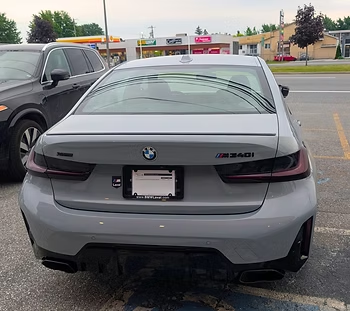
Nano-ceramic coating, on the other hand, is significantly more durable. It offers superior protection against a wide range of factors, including chemicals, UV rays, and even slightly deeper scratches.
As for maintenance, both surfaces require careful washing with pH-neutral products. However, while wax may seem more affordable at first, the need for constant reapplication makes it more expensive over time. Nano-ceramic coating requires no reapplication, only specific cleaning routines—resulting in lower maintenance and reduced long-term costs.


Comments